About fabrics
What a fabric is, how to choose it, how much a garment takes and how to care for it. Short articles from a remnant fabric shop, with the pieces in stock right now.
Fabrics
What a fabric is, its kinds and what to make with it.
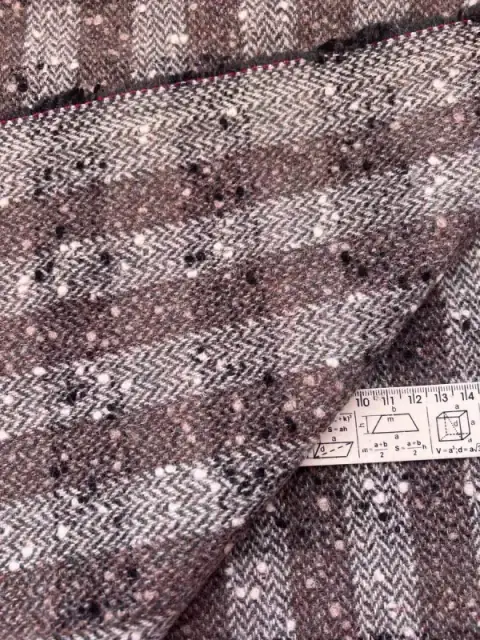
Coating wool
A dense, warm wool cloth for coats, capes and roomy jackets. Here is what kinds there are, how to choose a piece and how much of it you need.
Read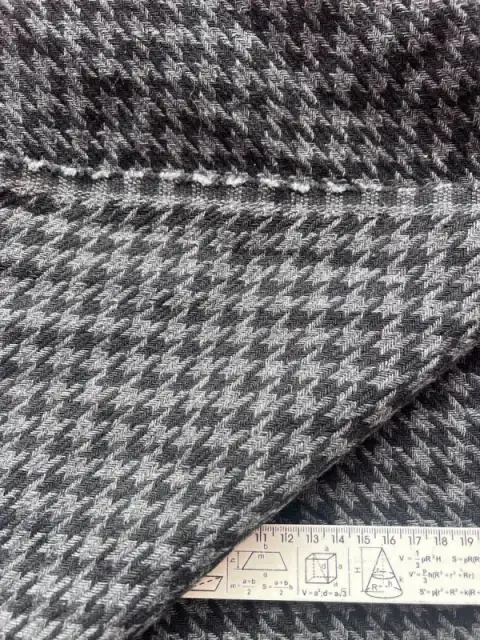
Suiting wool
A wool cloth thinner and smoother than coating, for suits, trousers, skirts and dresses. Here is what kinds there are and how to pick a piece for your garment.
Read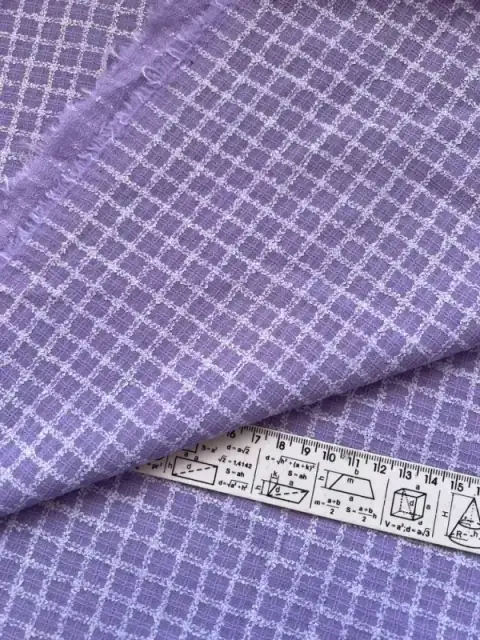
Dress wool
The lightest and softest of wool cloths: it falls in folds and keeps you warm without weighing you down. Here is how it differs from suiting and what to make with it.
Read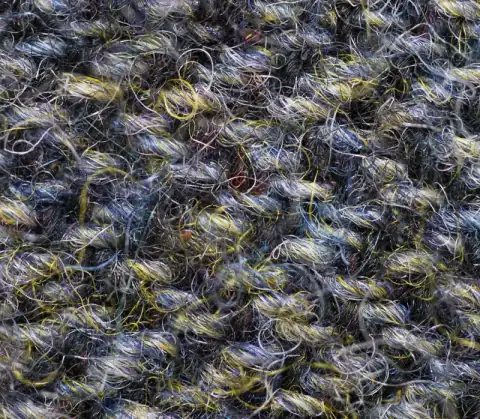
Tweed
A rough, warm wool cloth from Scotland with flecks of coloured yarn. Here is how tweed differs from other wool and what to make with it.
Read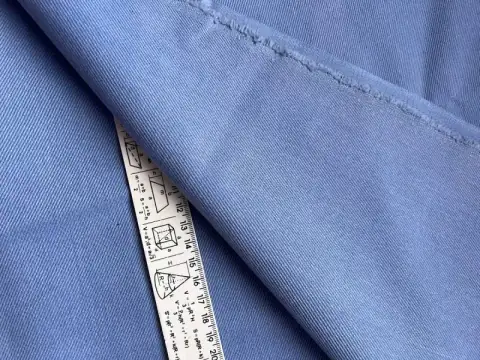
Cotton
A natural fabric from the fibre of the cotton plant: it breathes, absorbs moisture and feels good on the skin. Here is what kinds there are and how to choose a piece.
Read
Linen
One of the oldest fabrics: strong, cool and pleasant in the heat. Here is what it is made of, what kinds there are and how to work with it.
Read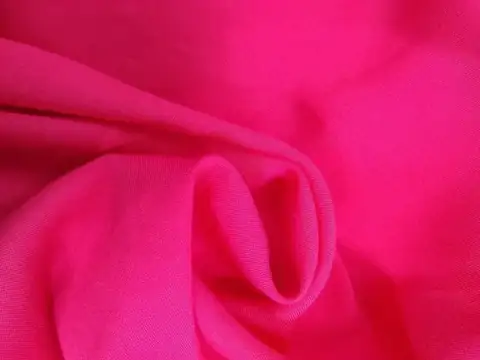
Viscose
A light fabric that breathes and falls in soft folds. It is made from cellulose, so it feels closer to cotton than to synthetics. Here is how to work with it.
Read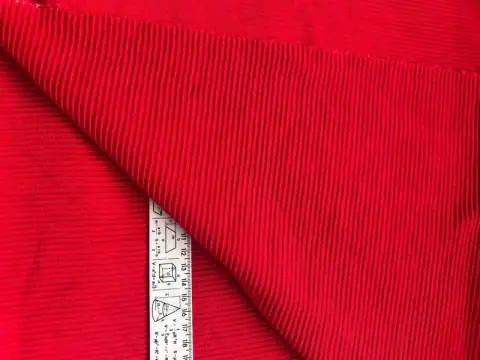
Knit fabric
Knits are not woven but looped, so they stretch and follow the body. Here are the kinds and how to sew knits so the seams do not snap.
Read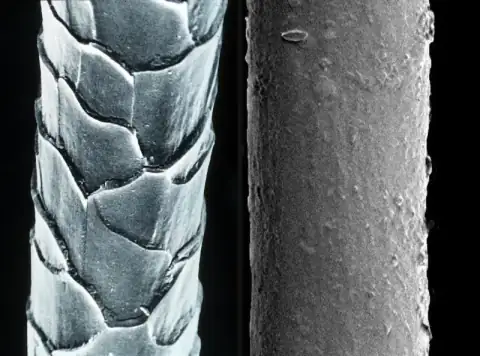
Polyester
The most common synthetic fibre: strong, crease-free and quick to dry, but it does not breathe. Here is honestly when polyester makes sense and when a natural fabric is better.
Read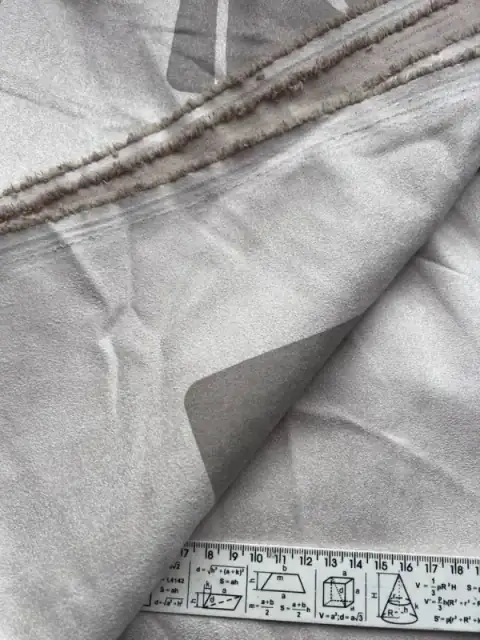
Faux suede
A fabric with a fine soft nap that looks like real suede, but is lighter, cheaper and washable. Here is how to work with it.
Read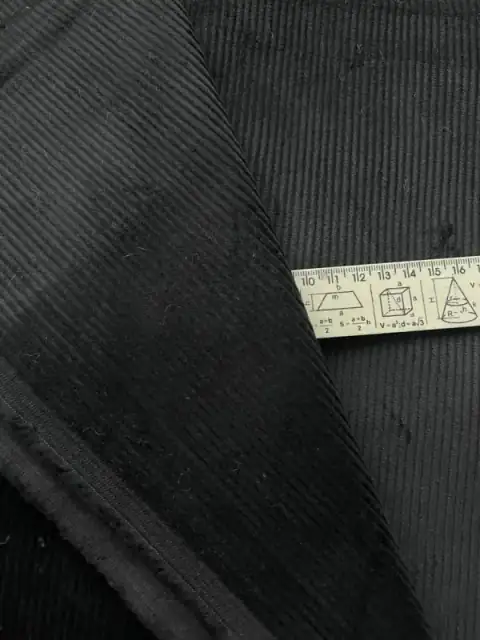
Corduroy
A soft, warm fabric with ribs of pile running along it. Here is what kinds there are, what to make with it and how not to spoil the pile when cutting and pressing.
Read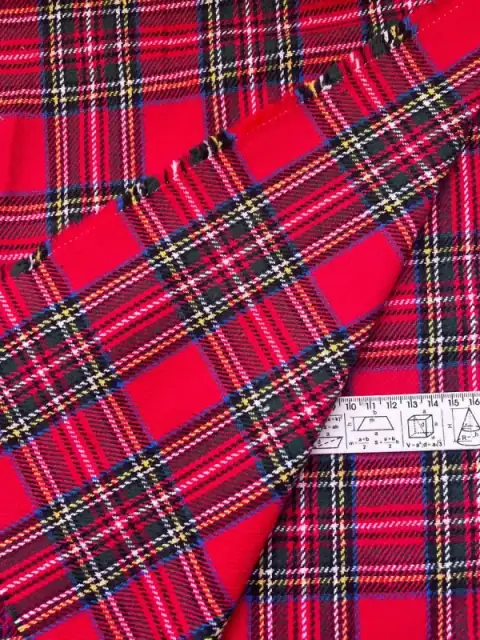
Tartan
A fabric checked by crossing stripes. Here is what tartan is, what other checks there are and what to make with them.
Read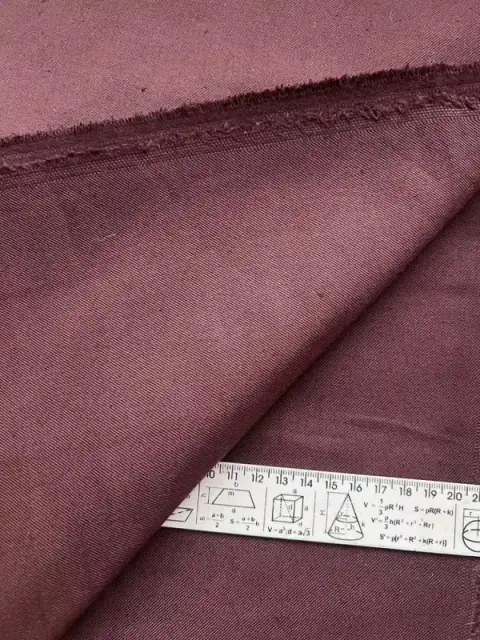
Twill and gabardine
Twill is a weave with a diagonal rib, and gabardine is its densest kind. Here is how to recognise them and why they make such good trousers and suits.
Read
Remnants and cut pieces
A remnant is a piece of fabric, and a cut piece is one of known size, enough for a whole garment. Here is what that means and how to choose a piece for your idea.
Read


How much fabric
Formulas and tables: how much a garment takes and what a piece makes.
How much fabric a coat takes
The short answer: 2 to 3.5 m at 1.5 m wide. Below is how to work it out more precisely for your style and size, and how much lining to take.
Read
How much fabric a jacket takes
A classic jacket at 1.5 m wide usually takes 1.7 to 2.2 m, a waistcoat less than a metre. Here is how to work it out for your style and what else to buy.
ReadHow much fabric a dress takes
A plain sleeveless dress often needs only 1 to 1.3 m, a full-skirted one 2.5 m or more. Here is how to work it out for your style.
Read
How much fabric a skirt takes
A straight knee-length skirt often needs only 0.7 to 1 m, a circle skirt 2 to 3 m. Here is how to work it out for your style and length.
Read
How much fabric trousers take
Classic trousers usually need 1.1 to 1.5 m, wide-leg ones twice that. Here is how to work it out precisely and why hip size matters.
Read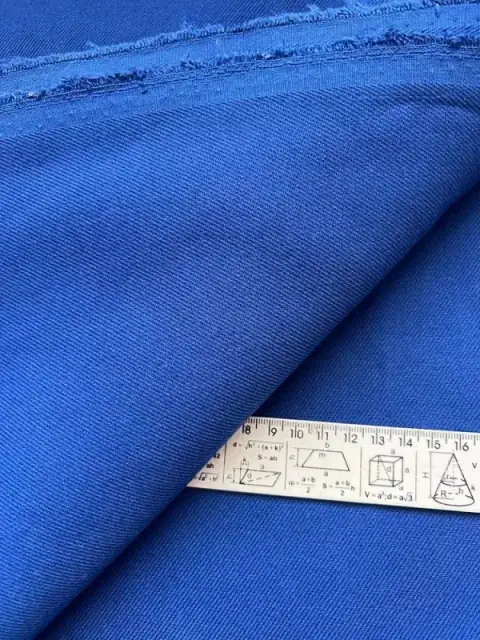
How much fabric a shirt takes
A long-sleeved shirt usually takes 1.5 to 2 m, a sleeveless blouse about a metre. Here is how to work it out and what the extra goes on.
Read
What to make from 1 metre of fabric
A metre sounds like too little, but at 1.4 to 1.6 m wide it makes quite a lot. Here are ideas for clothes, the home and gifts.
Read


Sewing and care
Preparing fabric, cutting, lining, washing, furniture and costumes.
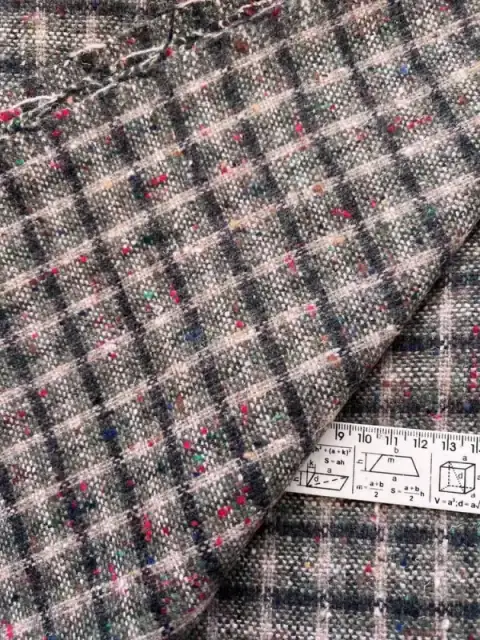
How to tell wool from synthetics
Four ways, from the simplest to the most reliable: the label, touch, the crease test and the burn test. Here is what each result means and why a blend is not always bad.
Read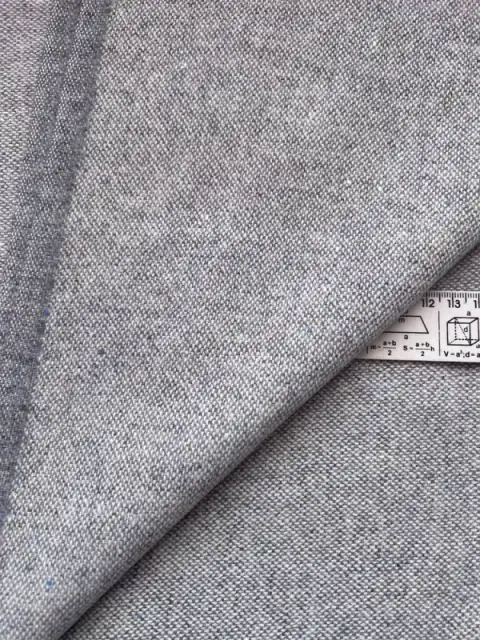
Decatising fabric
Decatising means treating fabric with moisture and steam before cutting, so it shrinks before sewing rather than in the finished garment. Here is how to do it at home with different fabrics.
Read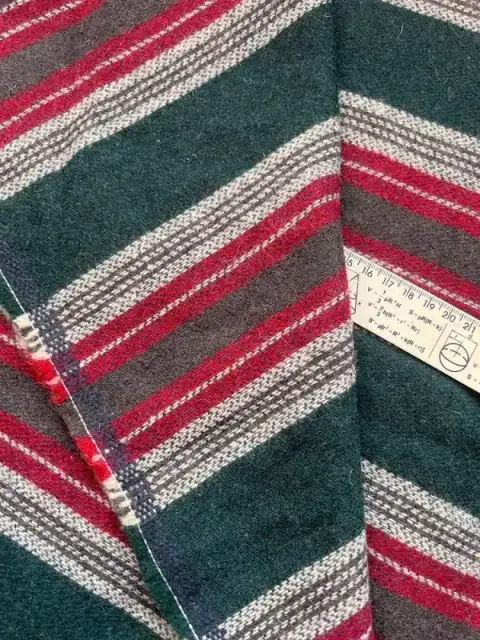
How to cut checked fabric
A checked or striped garment looks expensive when the pattern meets at the seams. Here is how to plan the layout and how much extra fabric to take.
Read
How to choose a lining
A lining makes a garment comfortable: it slips on easily, does not itch and keeps its shape longer. Here is which lining fabric to take for your garment.
Read
How to wash wool
Wool dislikes hot water, rubbing and sudden temperature changes: they make it shrink and felt. Here is how to wash it safely and when to dry clean instead.
Read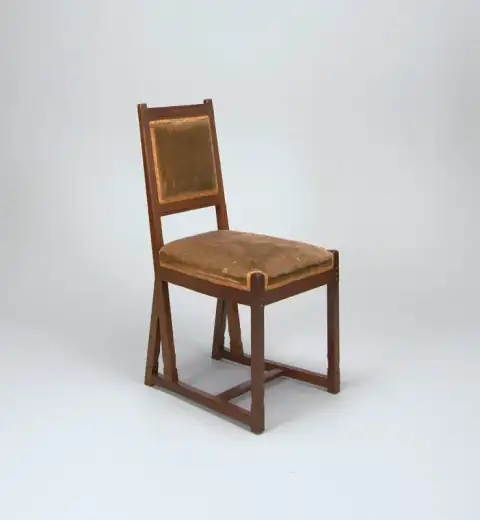
How to reupholster a chair yourself
New fabric on the seat changes an old chair in an evening. Here is what you need, how much fabric to take and how to stretch it without wrinkles.
Read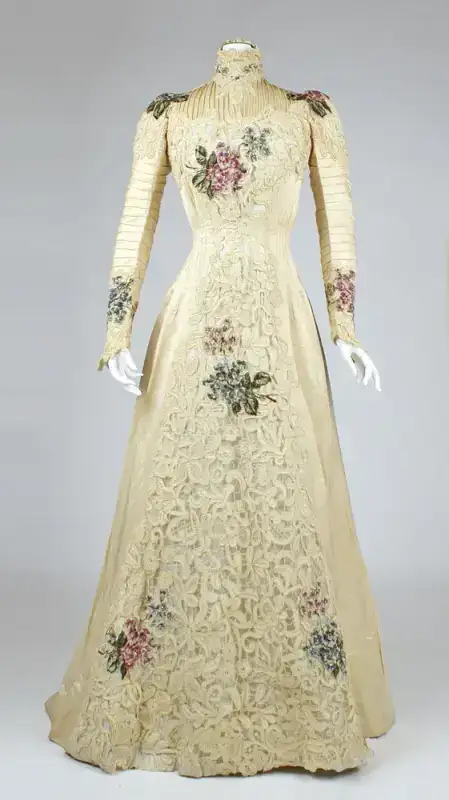
Fabrics for historical and stage costumes
A costume for the stage, a reenactment or a show is often made only once, and its fabric matters as much as the cut. Here is what to think about when choosing.
Read


