About fabrics
How to choose a lining
A lining makes a garment comfortable: it slips on easily, does not itch and keeps its shape longer. Here is which lining fabric to take for your garment.

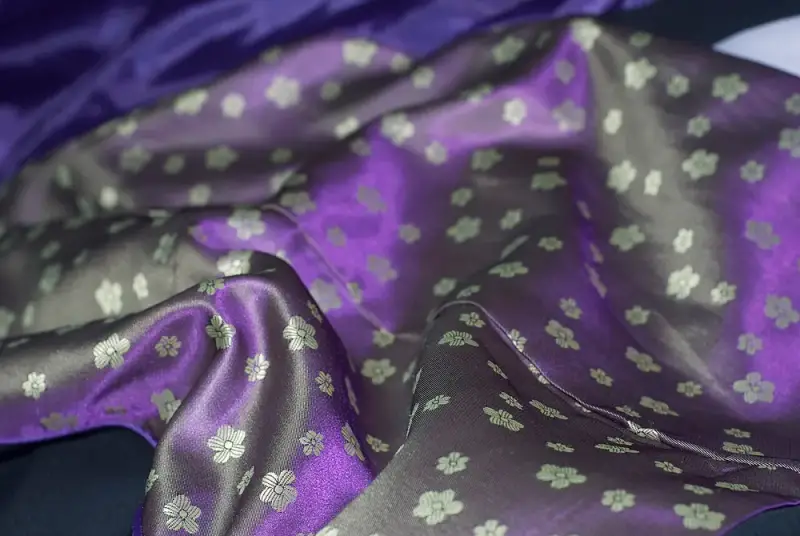
- Viscosebest for wool: it breathes
- Polyestercheap but builds static
- Lighterthan the main fabric
- 1–1.5 mfor a jacket
Kinds of lining fabric
Viscose: breathes, has no static and feels good. The best choice for wool coats, jackets and skirts. More on the fabric in the article «Viscose».
Cupro: a man-made fibre from cotton cellulose, very soft and silky. Pricier, but one of the nicest linings.
Acetate: shiny, slips well, cheaper than viscose, but creases and breathes less.
Polyester: strong, cheap and nearly crease-free, but does not breathe and builds static. Fine for jackets and outerwear.
Cotton: for summer garments and children’s clothes, where breathing matters more than slip.
Choosing for your garment
A wool coat or jacket: viscose or cupro, with a smooth shiny lining in the sleeves so they slip on easily. A winter coat gets insulation under the lining.
A skirt or dress: thin viscose. Summer garments: cotton or batiste, often no lining at all. For stretch garments take a knit lining that stretches.
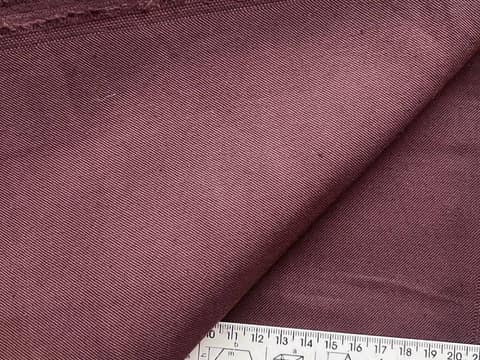
The lining is chosen to match the main fabric or in a deliberate contrast, as in the photo above. It should be lighter and thinner than the main fabric.
How much to take
Sources
Facts checked against these pages. The text is our own.
Updated 19 October 2026
Questions
What is the best lining for a wool coat?
Viscose or cupro: they breathe, have no static and feel good. Polyester is cheaper but breathes less.
Does a skirt need a lining?
A wool one does: it stops itching and clinging to tights. A summer cotton skirt can go unlined.
How much lining does a coat need?
20 to 40 cm less than the main fabric: a knee-length coat usually takes 2 to 2.5 m.
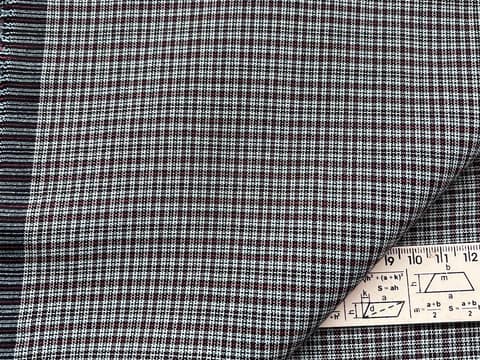
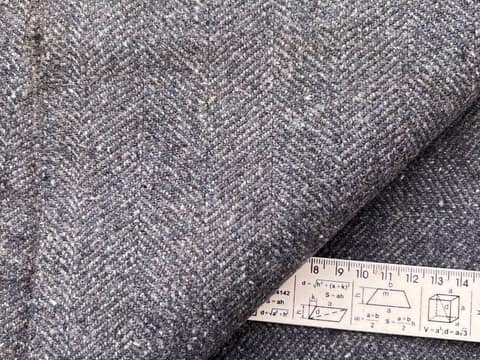
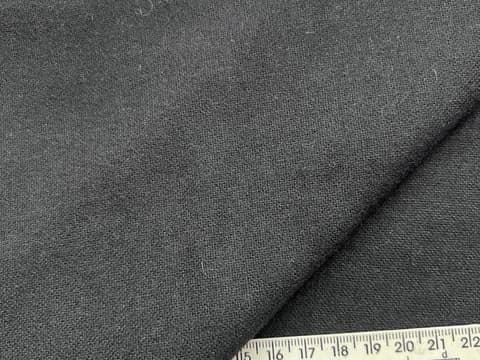
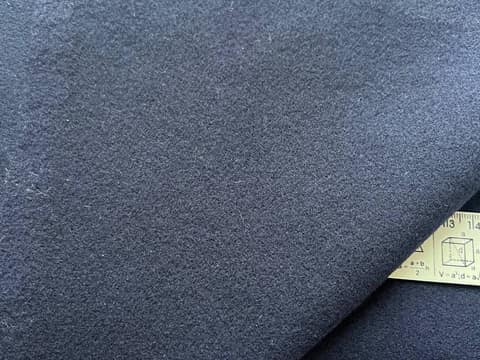
Fabrics for coats and jackets in the shop now
See all- Cotton blend suitingКостюмна · A002981.55 m × 1.25 m · 150 UAH/m188 UAHfor the whole piece
- Wool coatingПальтова · A002871.60 m × 0.80 m · 400 UAH/m320 UAHfor the whole piece
- Cotton blend suitingКостюмна · A002761.50 m × 2.25 m · 150 UAH/m338 UAHfor the whole piece
- Wool blend suitingКостюмна · A002651.65 m × 3.00 m · 250 UAH/m750 UAHfor the whole piece
- Wool-cotton coatingПальтова · A002151.50 m × 3.00 m · 300 UAH/m900 UAHfor the whole piece
- PopularWool blend suitingКостюмна · A0020211.55 m × 1.75 m · 200 UAH/m350 UAHfor the whole piece
- Wool coatingПальтова · A0019171.60 m × 1.00 m · 400 UAH/m400 UAHfor the whole piece
- PopularCotton suitingКостюмна · A0017170.72 m × 2.15 m · 70 UAH/m151 UAHfor the whole piece








How to choose a lining
See every piece in stock, or call us if you would like advice.