About fabrics
Polyester
The most common synthetic fibre: strong, crease-free and quick to dry, but it does not breathe. Here is honestly when polyester makes sense and when a natural fabric is better.

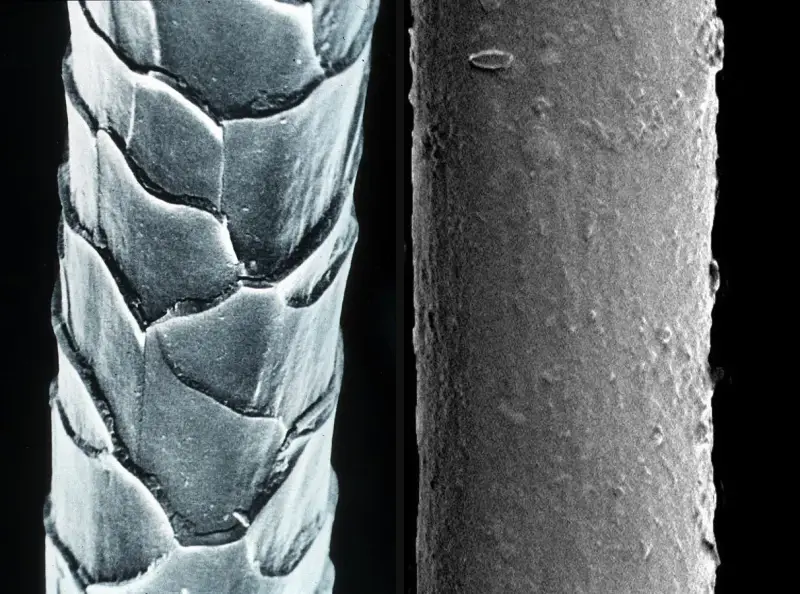
- Syntheticthe same plastic as bottles
- Crease-freeand quick to dry
- Does not breatheand can build static
- Lowiron setting
What polyester is
Polyester is made of polyethylene terephthalate, the same plastic bottles are made of. The melt is drawn into fine threads, which are woven or knitted into fabric.
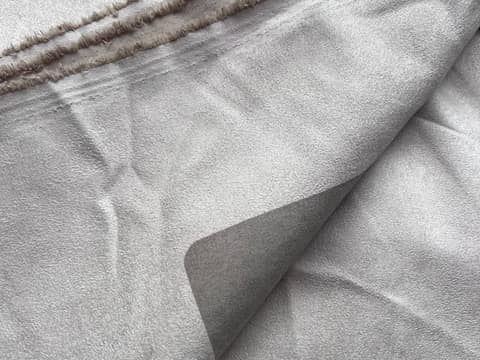
On a label it is marked PES or PL. Very fine polyester is called microfibre: faux suede, for example, is made of it.
Pros and cons
Pros: strong, nearly crease-free, does not shrink, dries fast, keeps bright colours and costs little.
Cons: it does not breathe and absorbs little moisture, so it can feel hot. It builds static, holds on to smells and melts under a hot iron.
Polyester in blends
Polyester is most often added to wool or cotton. The wool or cotton brings warmth, softness and breathability, the polyester strength and fewer creases. For an everyday suit or trousers it is a good compromise.
Such pieces in our shop are called «Wool blend» and «Cotton blend». How to tell the content yourself is in «How to tell wool from synthetics».
Care
Wash at 30 to 40 °C and dry on a hanger: polyester hardly creases and dries quickly. Fabric softener helps against static.
Iron at a low setting, ideally through a cloth: a hot iron melts polyester and makes it shine. Pure polyester usually needs no decatising, as it hardly shrinks.
Sources
Facts checked against these pages. The text is our own.
Updated 19 October 2026
Questions
Is polyester a bad fabric?
No, it has its strengths: strong, crease-free, does not shrink. But it does not breathe, so natural fabrics are better for summer clothes, while blended with wool or cotton it is very practical.
How is polyester marked on a label?
PES or PL. Viscose is marked CV or VI: it is not a synthetic but a fibre from cellulose.
At what temperature do I iron polyester?
Low, ideally through a cloth. A hot iron melts polyester and makes it shine.
Synthetic fabrics in the shop now
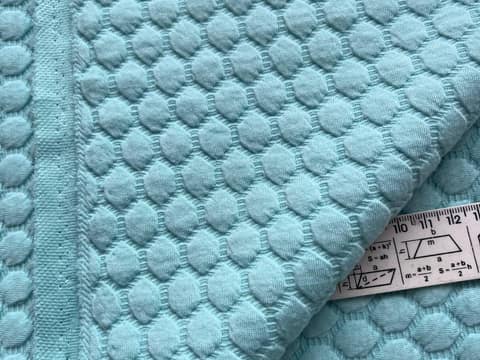
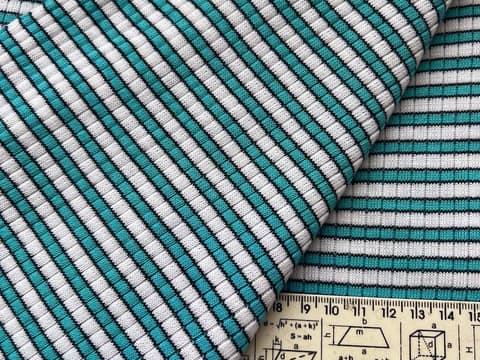
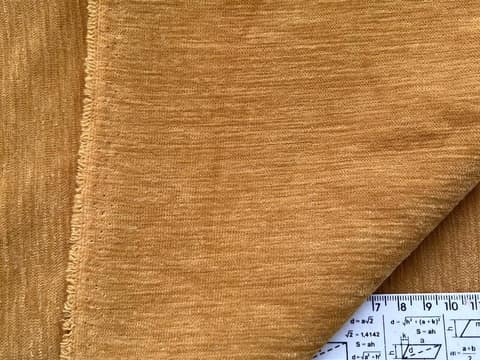
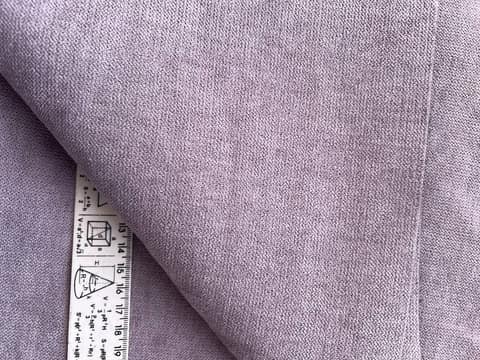
See all- NewSynthetic jerseyТрикотаж · A003721.60 m × 1.50 m · 100 UAH/m150 UAHfor the whole piece
- NewSynthetic jerseyТрикотаж · A003611.60 m × 2.00 m · 130 UAH/m260 UAHfor the whole piece
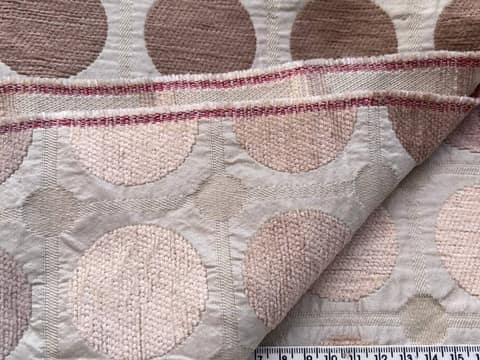
- Синтетика меблеваМеблева · A002561.50 m × 2.30 m · 150 UAH/m345 UAHfor the whole piece
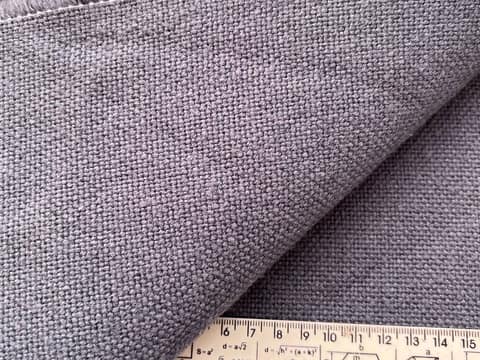
- Synthetic hopsackРогожка · A002471.40 m × 2.00 m · 150 UAH/m300 UAHfor the whole piece
- Синтетика меблеваМеблева · A002361.40 m × 2.00 m · 150 UAH/m300 UAHfor the whole piece
- Синтетика меблеваМеблева · A002261.45 m × 2.95 m · 150 UAH/m443 UAHfor the whole piece
- Synthetic faux suedeШтучна замша · A000451.55 m × 5.35 m · 100 UAH/m535 UAHfor the whole piece
- Synthetic jerseyТрикотаж · A003261.80 m × 2.30 m · 100 UAH/m230 UAHfor the whole piece








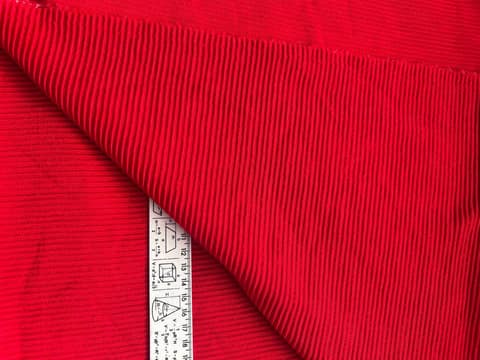
Polyester
See every piece in stock, or call us if you would like advice.