About fabrics
How much fabric a jacket takes
A classic jacket at 1.5 m wide usually takes 1.7 to 2.2 m, a waistcoat less than a metre. Here is how to work it out for your style and what else to buy.

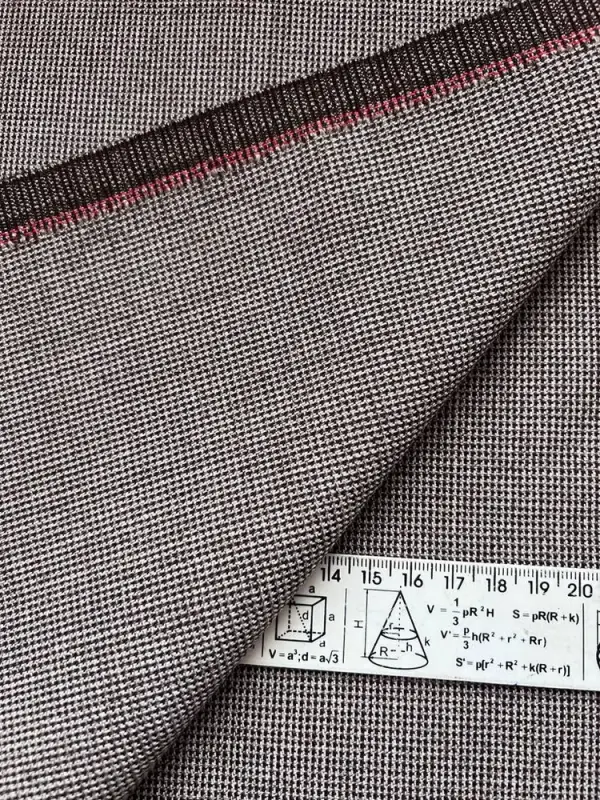
- 2 lengths + sleevea simple formula
- 1.7–2.2 mfor a classic jacket at 1.5 m wide
- 1–1.5 mlining
- 0.5–1 minterfacing for fronts and collar
Working it out yourself
A jacket is counted like a coat: two jacket lengths plus one sleeve length plus 15 to 20 cm for the collar, pockets and hems. Measure the length from the back neck point to the hem.
An example: a jacket 70 cm long with a 60 cm sleeve. 2 × 70 + 60 + 20 = 220 cm, that is 2.2 m. In smaller sizes, when the pieces nest closely, it often comes to 20 to 30 cm less.
Roughly, by style
For fabric 1.4 to 1.5 m wide and sizes EU 38 to 44:
A short jacket to the waist: 1.5 to 1.8 m.
A classic hip-length jacket or blazer: 1.7 to 2.2 m.
A long jacket: 2 to 2.5 m.
A waistcoat: 0.7 to 1 m. For larger sizes add 0.3 to 0.5 m.
Lining and interfacing
A jacket usually needs 1 to 1.5 m of lining: less than the main fabric, as the facings and top collar are cut from that.
Interfacing goes on the fronts, facings, collar, lapels and sleeve hems: 0.5 to 1 m. A soft unlined jacket takes less, only for the collar and fronts.
Which fabric to choose
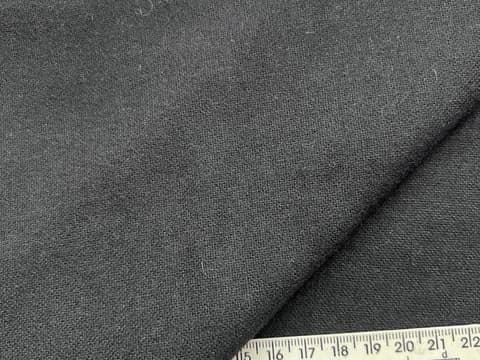
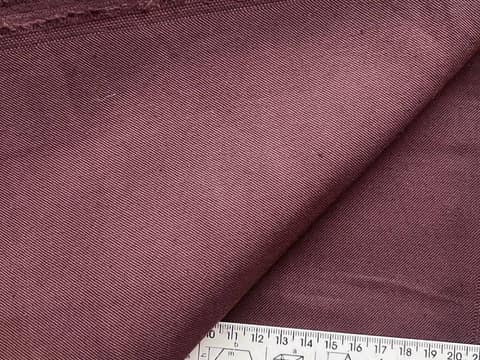
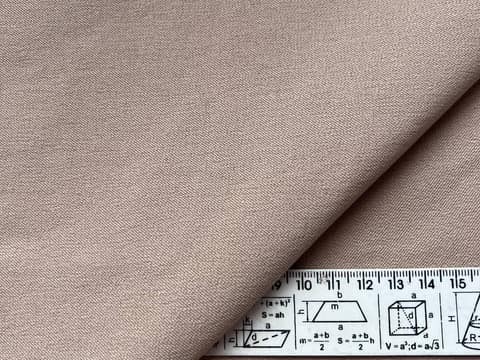
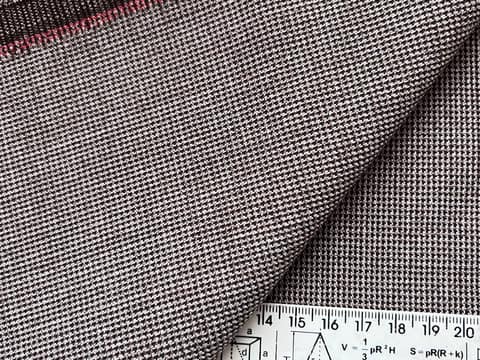
A classic jacket suits suiting wool: twill, gabardine, houndstooth. A warm autumn jacket works in tweed or lighter coating wool.
For summer take dense cotton or linen: they breathe but crease more than wool.
See what is in stock: suiting fabrics.
When you need extra
Checks and stripes are matched at the fronts, pockets, sleeves and back: add 10 to 20 %.
Pile fabrics and corduroy are cut in one direction: add 10 to 15 %.
Patch pockets, a half belt, wide lapels or a stand collar take another 0.2 to 0.3 m.
Sources
Facts checked against these pages. The text is our own.
Updated 19 October 2026
Questions
How much fabric for a jacket in a medium size?
A classic hip-length jacket at 1.5 m wide takes about 1.8 to 2.2 m. Add 10 to 20 % for checks.
Is 1.5 m enough for a jacket?
Often enough for a short waist-length jacket in a small size. A classic hip-length jacket is better with 1.7 to 2 m.
How much lining does a jacket need?
Usually 1 to 1.5 m of lining, plus 0.5 to 1 m of interfacing for the fronts, collar and lapels.
Suiting fabrics in the shop now
See all- Cotton blend suitingКостюмна · A002981.55 m × 1.25 m · 150 UAH/m188 UAHfor the whole piece
- Cotton blend suitingКостюмна · A002761.50 m × 2.25 m · 150 UAH/m338 UAHfor the whole piece
- Wool blend suitingКостюмна · A002651.65 m × 3.00 m · 250 UAH/m750 UAHfor the whole piece
- PopularWool blend suitingКостюмна · A0020211.55 m × 1.75 m · 200 UAH/m350 UAHfor the whole piece
- PopularCotton suitingКостюмна · A0017170.72 m × 2.15 m · 70 UAH/m151 UAHfor the whole piece
- PopularStretch cotton suitingКостюмна · A0015121.40 m × 1.50 m · 150 UAH/m225 UAHfor the whole piece
- Wool blend suitingКостюмна · A0014121.50 m × 1.10 m · 200 UAH/m220 UAHfor the whole piece
- PopularCotton blend suitingКостюмна · A001351.55 m × 1.90 m · 150 UAH/m285 UAHfor the whole piece


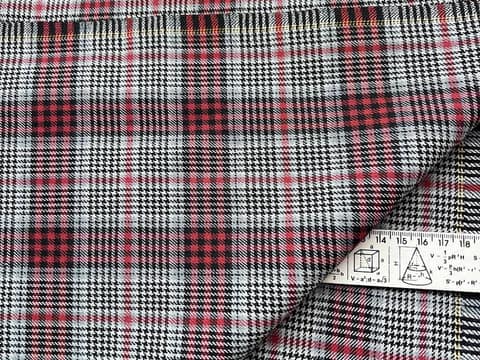






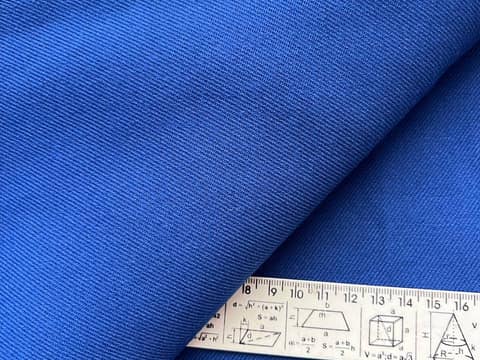
How much fabric a jacket takes
See every piece in stock, or call us if you would like advice.