About fabrics
Fabrics for historical and stage costumes
A costume for the stage, a reenactment or a show is often made only once, and its fabric matters as much as the cut. Here is what to think about when choosing.

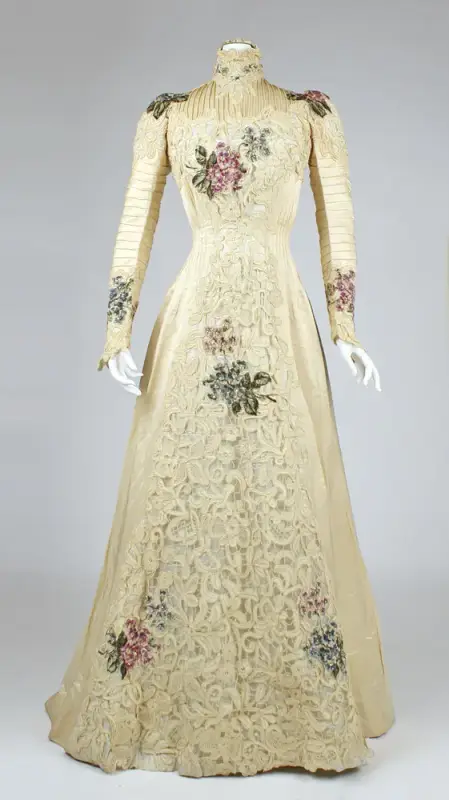
- Naturalwool, linen, cotton for period costume
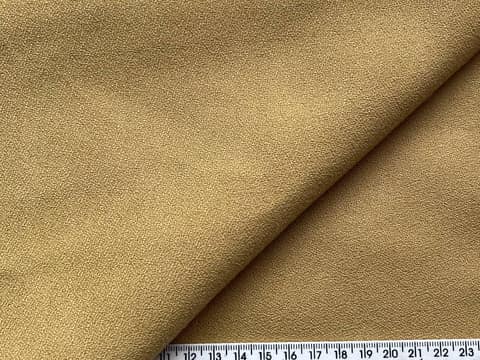
- Mattlooks better under stage lights
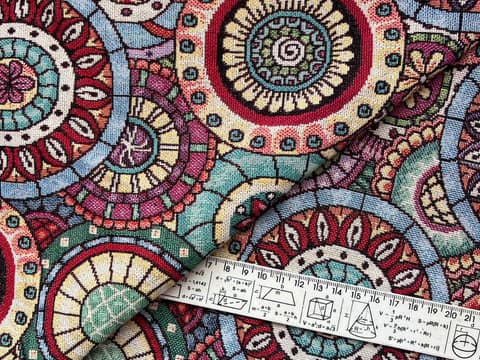
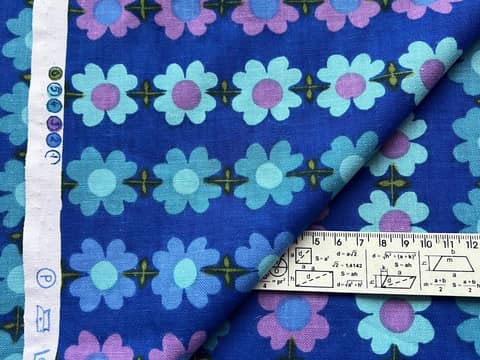
- Bold patternreads from a distance
- One of a kindlike the costume itself
Period costume
For reenactment and period films the fabric is matched to the period. Mostly that means natural wool, linen and cotton: clothes were made of them before synthetics.
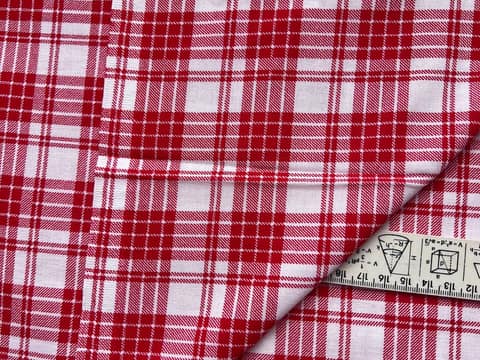
The pattern hints at the time as well. Tweed, herringbone and houndstooth suit costumes of the 1920s to 1950s, wide-wale corduroy the 1970s, tartan school uniforms and Scottish dress. There are separate articles on these: «Tweed», «Tartan», «Corduroy».
Stage and light
From the stage the audience sees a fabric from several metres away, and a small pattern merges into a plain patch. A large check, a wide stripe and a clear colour read better.
Under spotlights shiny fabrics can flare, so most roles get matt fabrics. Colour changes under stage light: if you can, look at the fabric under the theatre’s lamps before cutting.
Durability and movement
A stage costume lives through dozens of performances, quick changes and frequent cleaning. Take dense fabrics that do not split at the seams or fray: suiting wool, dense cotton, corduroy.
If the costume has to dance or move a lot, a fabric with a little elastane or a bias cut helps.
Why cut pieces suit costumes
A costume for a play or a show is made once, and its fabric should be special too. A piece that is just enough for one garment suits this perfectly.
People come to us for fabric for stage and period costumes, and designers too: one picked about a hundred different fabrics for a show, as every garment in the collection was made only once. Work out how much a particular garment needs with the articles on dresses, jackets or coats.
Sources
Facts checked against these pages. The text is our own.
Updated 19 October 2026
Questions
What is the best fabric for a theatre costume?
A dense, matt one: suiting wool, dense cotton, corduroy. It lasts, does not flare under spotlights and looks good from a distance.
Can a period costume be made of synthetics?
For the stage sometimes, if it looks natural. For reenactment natural fabrics are better: they drape and age the right way.
How do I choose a pattern for the stage?
Go large and contrasting: a big check, a wide stripe. A small pattern merges into a plain patch from a distance.
New pieces in the shop
See all- NewБавовна меблеваМеблева · A005010.90 m × 1.00 m · 100 UAH/m100 UAHfor the whole piece
- NewWool blend dress fabricСукняна · A00491.55 m × 1.15 m · 200 UAH/m230 UAHfor the whole piece
- NewStretch cotton denimДжинсова · A00481.40 m × 1.05 m · 150 UAH/m158 UAHfor the whole piece
- NewWool blend jerseyТрикотаж · A00471.50 m × 1.55 m · 200 UAH/m310 UAHfor the whole piece
- NewCotton blend jerseyТрикотаж · A00461.65 m × 2.00 m · 150 UAH/m300 UAHfor the whole piece
- NewCotton dress fabricСукняна · A004441.20 m × 2.95 m · 100 UAH/m295 UAHfor the whole piece
- NewCotton shirtingСорочкова · A004331.40 m × 2.00 m · 100 UAH/m200 UAHfor the whole piece
- NewCotton dress fabricСукняна · A004230.80 m × 1.80 m · 70 UAH/m126 UAHfor the whole piece








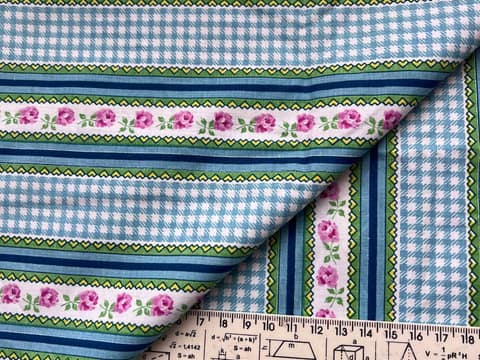
Fabrics for historical and stage costumes
See every piece in stock, or call us if you would like advice.