About fabrics
Cotton
A natural fabric from the fibre of the cotton plant: it breathes, absorbs moisture and feels good on the skin. Here is what kinds there are and how to choose a piece.

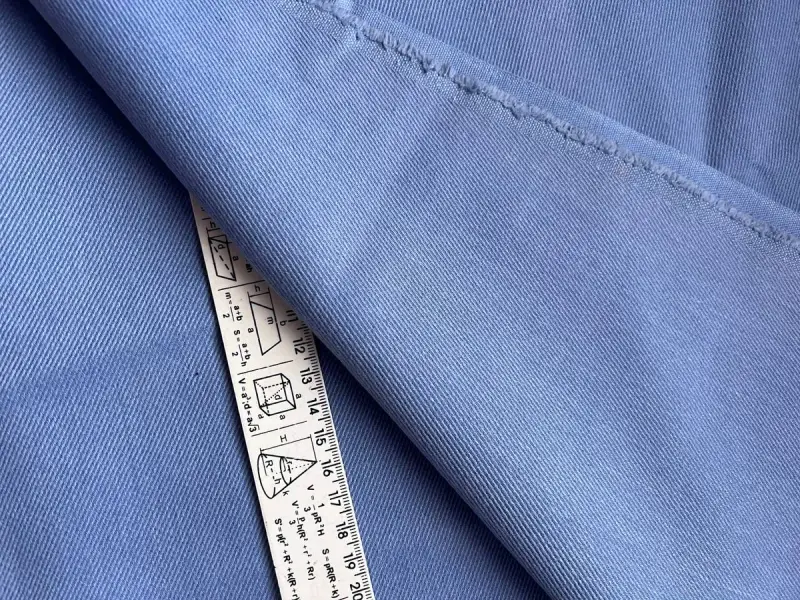
- Naturalfibre from cotton bolls
- up to 5 %can shrink at the first wash
- 1.5–3 mfor a shirt or a dress
- 30–40 °Cusual wash
Where cotton comes from
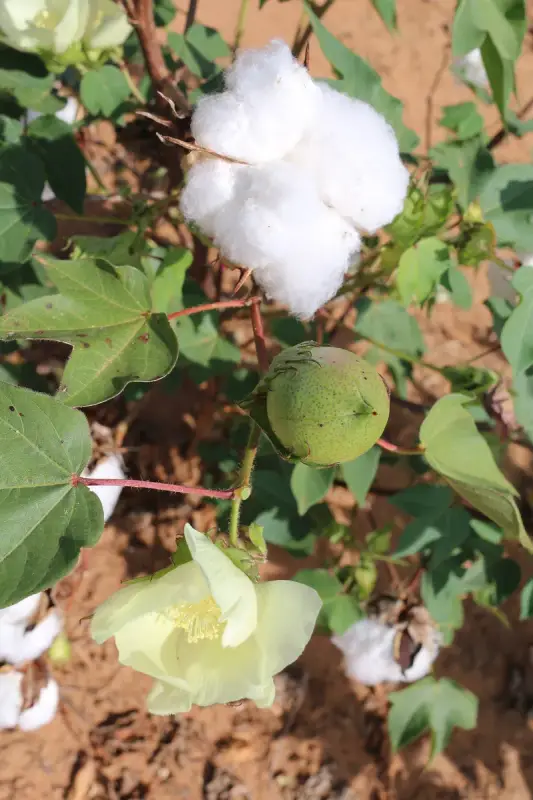
Cotton is a fibre that grows in the bolls of the cotton plant. When a boll ripens it splits open, and a fluffy white wad comes out. It is cleaned, spun into yarn and woven.
The fibre is almost pure cellulose. That is why cotton breathes, absorbs moisture well and rarely irritates the skin, and it takes any dye easily.

Kinds of cotton fabric
Fine and light: batiste, poplin, calico. For shirts, blouses, summer dresses and underwear.
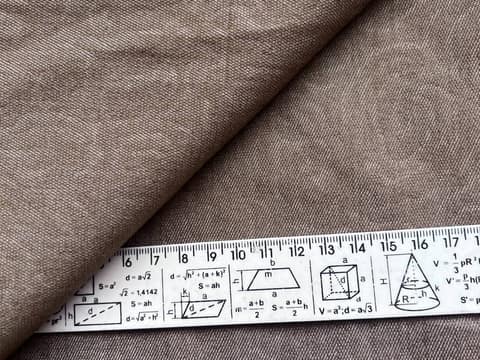
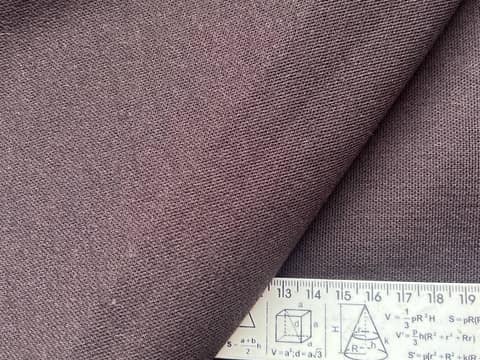
Dense: twill, denim, cotton suiting. They hold their shape, so trousers, skirts, jackets and outerwear are made of them. These are the pieces our shop has most often.
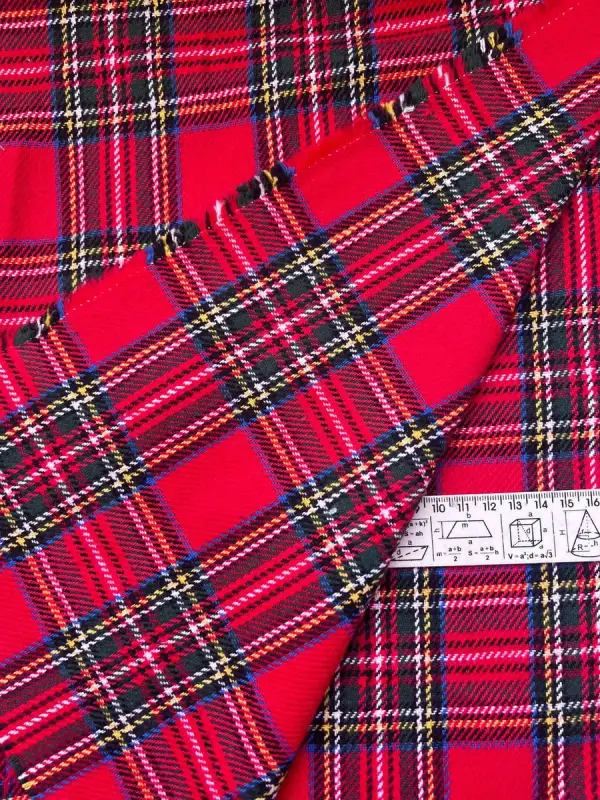
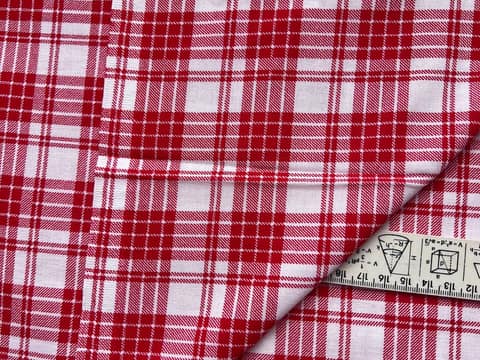
Brushed: flannel and flannelette. Warm and soft, for shirts and home clothes. Tartan deserves a mention too: the check is often woven in cotton.

Cotton blends
Elastane is added so the fabric stretches: in our shop that is «Stretch cotton», for fitted trousers and skirts. Polyester makes it stronger and less prone to creasing: that is «Cotton blend».
Pure cotton breathes better, a blend wears more practically. Choose for the garment: pure cotton for a summer shirt, a blend is fine for everyday trousers.
How much fabric you need
At 1.4 to 1.5 m wide: a shirt or blouse 1.5 to 2 m, a dress 2 to 3 m, straight trousers 1.2 to 1.5 m, a skirt 0.7 to 1.5 m, a jacket 1.5 to 2 m. For a closer count see the articles on shirts, dresses, trousers and skirts.
Cotton can shrink, so allow a little extra. For tartan and other checks add another 10 to 20 % to match the pattern at the seams.
Care
Before cutting, wash the cotton the way you will wash the finished garment, and dry it. It shrinks now rather than in the finished dress. More in «Decatising».
Wash at 30 to 40 °C, colours apart from whites, iron while slightly damp. Iron dense cotton suiting inside out so it does not get shiny.
Sources
Facts checked against these pages. The text is our own.
- Cotton, Ukrainian Wikipedia
- Cotton plant, Ukrainian Wikipedia
- Denim (Wikipedia)
- Tartan (Wikipedia)
- Cotton (Wikipedia)
Updated 19 October 2026
Questions
Does cotton shrink after washing?
It can, usually up to 5 %, mostly at the first wash. So wash and dry the fabric before cutting.
How is cotton different from linen?
Both are natural and breathe. Cotton is softer and creases less, linen is coarser, cooler and creases more.
What is stretch cotton?
Cotton with a little elastane, usually 2 to 5 %. It gives a bit, so it is comfortable for fitted trousers and skirts.
Cotton in the shop now
See all- NewБавовна меблеваМеблева · A005010.90 m × 1.00 m · 100 UAH/m100 UAHfor the whole piece
- NewStretch cotton denimДжинсова · A00481.40 m × 1.05 m · 150 UAH/m158 UAHfor the whole piece
- NewCotton blend jerseyТрикотаж · A00461.65 m × 2.00 m · 150 UAH/m300 UAHfor the whole piece
- NewCotton dress fabricСукняна · A004441.20 m × 2.95 m · 100 UAH/m295 UAHfor the whole piece
- NewCotton shirtingСорочкова · A004331.40 m × 2.00 m · 100 UAH/m200 UAHfor the whole piece
- NewCotton dress fabricСукняна · A004230.80 m × 1.80 m · 70 UAH/m126 UAHfor the whole piece
- NewCotton dress fabricСукняна · A004110.90 m × 4.30 m · 70 UAH/m301 UAHfor the whole piece
- Cotton jerseyТрикотаж · A004051.40 m × 2.45 m · 150 UAH/m368 UAHfor the whole piece






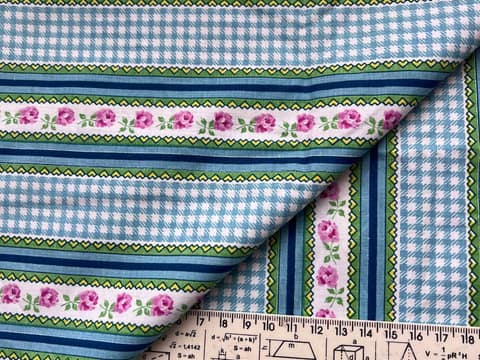

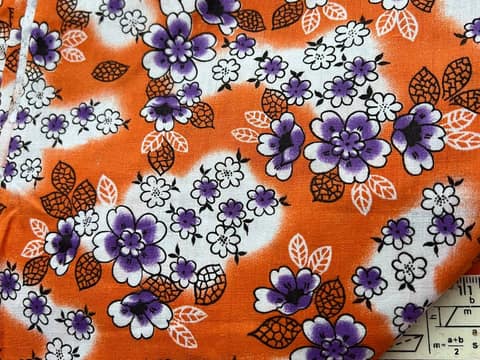

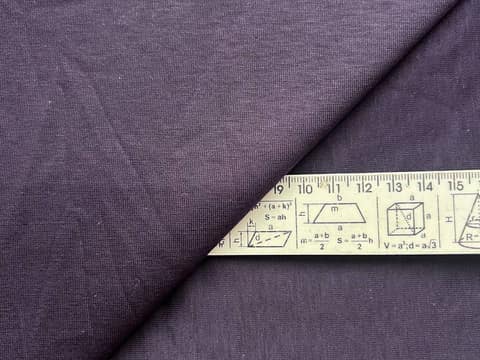
Cotton
See every piece in stock, or call us if you would like advice.