About fabrics
How to wash wool
Wool dislikes hot water, rubbing and sudden temperature changes: they make it shrink and felt. Here is how to wash it safely and when to dry clean instead.

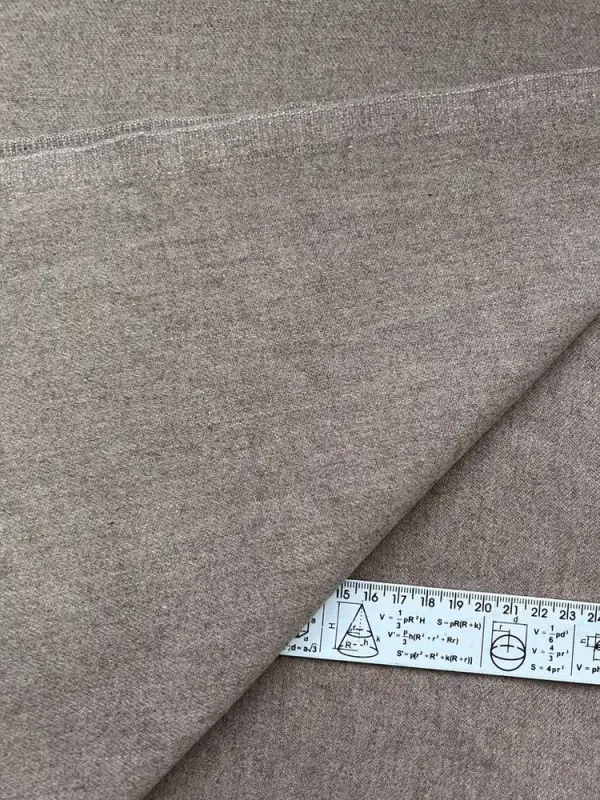
- 30 °Cfor washing and rinsing alike
- No rubbingand no wringing
- Dry flataway from radiators
- Dry cleancoats and suits
Why wool shrinks
A wool fibre is covered in tiny scales. Heat, water and rubbing open them and they lock together, so the cloth shrinks and thickens. That is how felt is made, but it ruins a sweater or a skirt. The process is called felting.
So the main rule is warm but not hot water, as little rubbing as possible and the same temperature throughout.
Washing by hand
Run water at about 30 °C and dissolve a wool detergent in it, ideally one with lanolin. Do not use ordinary powder or bleach.
Submerge the garment and squeeze it gently for 5 to 10 minutes, without rubbing or leaving it long. Rinse in water of the same temperature until the water runs clear.
Do not wring: roll the garment in a terry towel and press so the towel takes up the water.
In a washing machine
You can, if the label allows. Use the «Wool» or «Hand wash» cycle at 30 °C, a spin of no more than 400 to 600 rpm and a wool detergent.
Put garments in a mesh laundry bag so they rub less. Do not machine wash lined coats, jackets and suits: dry clean them.
Drying
Dry wool flat on a towel or a rack, shaped as it should be. On a hanger or a line wet wool stretches.
Keep it away from radiators, heaters and direct sun. A tumble dryer does not suit wool.
Between washes and storage
Wool does not need frequent washing: mostly it is enough to air and brush it. Steam jackets and coats on a hanger.
Store wool clean: moths are drawn to stains and the smell of sweat. Put lavender or cedar blocks in the wardrobe. And decatise the fabric before sewing so the garment does not shrink at its first wash.
Sources
Facts checked against these pages. The text is our own.
Updated 19 October 2026
Questions
At what temperature should wool be washed?
About 30 °C, and rinsed at the same temperature. Hot water and sudden changes make wool shrink.
What if a wool garment has shrunk?
Sometimes soaking it in cool water with hair conditioner for half an hour, gently stretching it and drying flat helps. Badly felted wool will not recover.
Can I wash a wool coat at home?
Better not: a coat with lining and interfacing can lose its shape. Dry clean it, and brush and air it at home.
Wool in the shop now
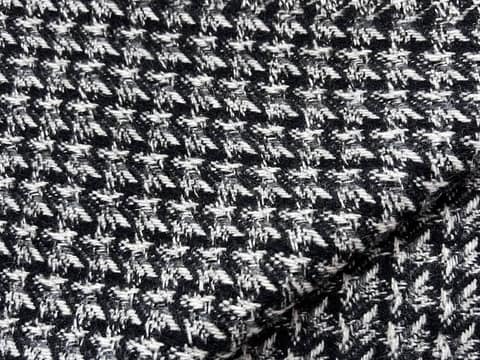
See all- NewWool blend dress fabricСукняна · A00491.55 m × 1.15 m · 200 UAH/m230 UAHfor the whole piece
- NewWool blend jerseyТрикотаж · A00471.50 m × 1.55 m · 200 UAH/m310 UAHfor the whole piece
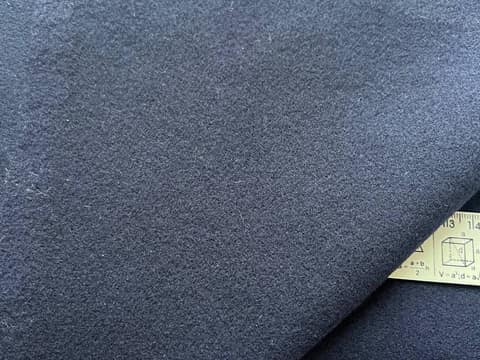
- Wool coat-suitingПальтово-костюмна · A003111.40 m × 2.00 m · 300 UAH/m600 UAHfor the whole piece
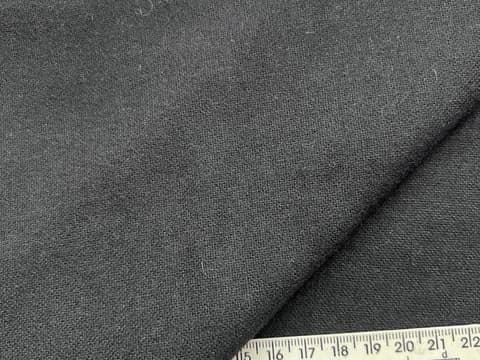
- Wool coatingПальтова · A002871.60 m × 0.80 m · 400 UAH/m320 UAHfor the whole piece
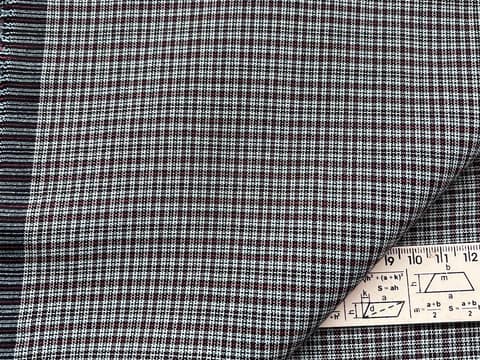
- Wool blend suitingКостюмна · A002651.65 m × 3.00 m · 250 UAH/m750 UAHfor the whole piece
- PopularWool blend suitingКостюмна · A0020211.55 m × 1.75 m · 200 UAH/m350 UAHfor the whole piece
- Wool coatingПальтова · A0019171.60 m × 1.00 m · 400 UAH/m400 UAHfor the whole piece
- Wool blend suitingКостюмна · A0014121.50 m × 1.10 m · 200 UAH/m220 UAHfor the whole piece

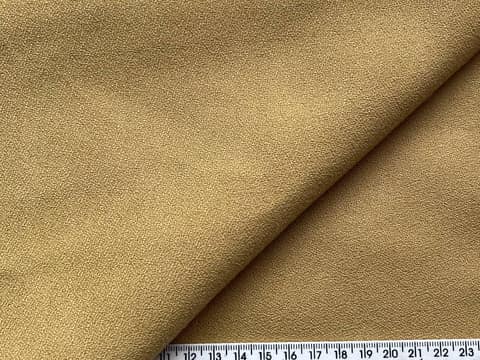

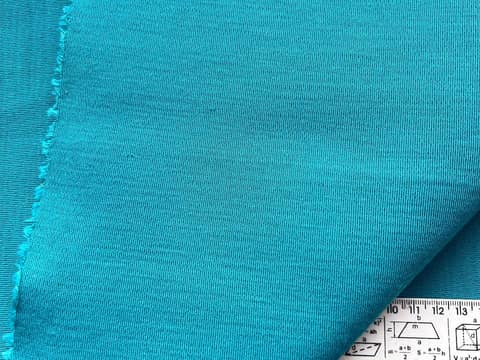

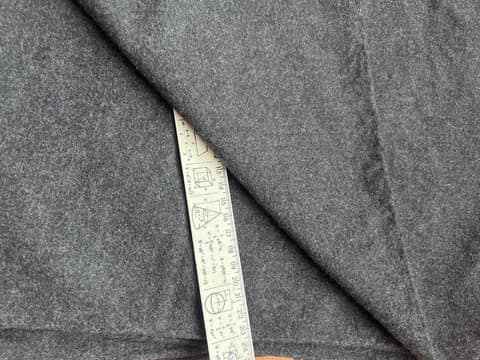





How to wash wool
See every piece in stock, or call us if you would like advice.