About fabrics
How much fabric a shirt takes
A long-sleeved shirt usually takes 1.5 to 2 m, a sleeveless blouse about a metre. Here is how to work it out and what the extra goes on.

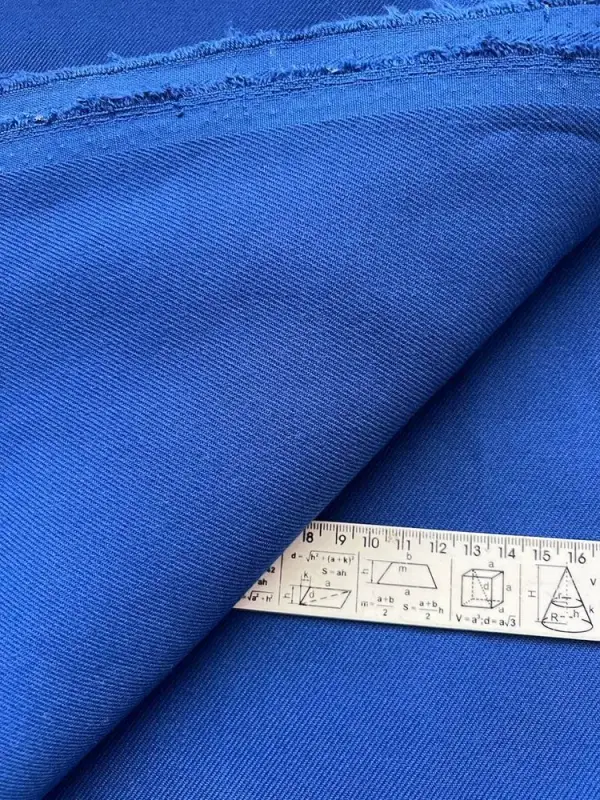
- 1 length + sleeve + 30 cmfor sizes up to EU 42
- 1.5–2 mfor a long-sleeved shirt
- 0.8–1.1 mfor a sleeveless blouse
- +5 %for cotton shrinkage
Working it out yourself
For fabric 1.4 to 1.5 m wide and sizes up to EU 42: one shirt length plus the sleeve length plus 30 cm for the collar, cuffs, yoke and pockets. The fronts and back then fit side by side.
For larger sizes, oversized styles or fabric up to 1.2 m wide, count two shirt lengths plus the sleeve. Measure the length from the highest point of the shoulder to the hem.
An example: a shirt 75 cm long with a 60 cm sleeve. 75 + 60 + 30 = 165 cm, about 1.7 m.
Roughly, by style
For fabric 1.4 to 1.5 m wide and sizes EU 38 to 44:
A sleeveless blouse: 0.8 to 1.1 m.
A short-sleeved shirt: 1.2 to 1.5 m, long-sleeved 1.5 to 2 m.
An oversized or men’s shirt: 2 to 2.5 m.
A shirt jacket in a dense fabric: 1.8 to 2.3 m.
Which fabric to choose
When you need extra
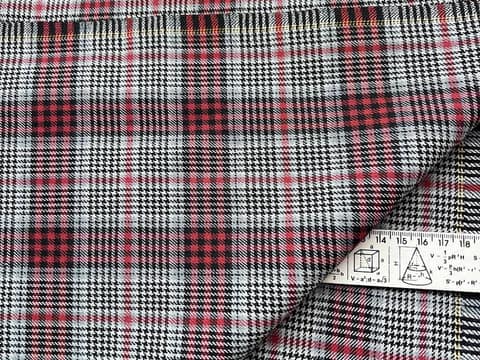
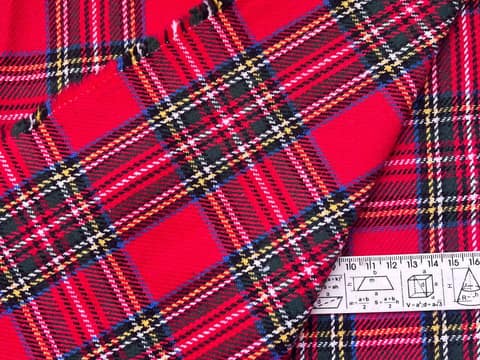
Checks and stripes are matched on the placket, pockets and yoke, and the yoke and cuffs are often cut on the bias. Add 15 to 20 %.
Cotton and linen can shrink up to 5 % at the first wash: wash the fabric before cutting.
A double yoke, flap pockets, epaulettes or long cuffs take another 0.2 to 0.3 m.
Sources
Facts checked against these pages. The text is our own.
Updated 19 October 2026
Questions
How much fabric for a women’s shirt?
A long-sleeved shirt at 1.4 to 1.5 m wide usually takes 1.5 to 1.8 m, a short-sleeved one 1.2 to 1.5 m.
How much fabric for a men’s shirt?
Long-sleeved, about 2 to 2.5 m at 1.4 to 1.5 m wide, up to 2.8 m for large sizes.
What is the best fabric for a shirt?
Fine cotton: poplin, Oxford cloth, cambric. It breathes, irons well and wears for a long time. Flannel for a warm shirt.
Cotton for shirts in the shop now
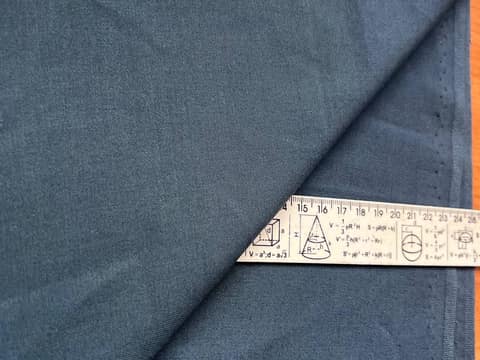
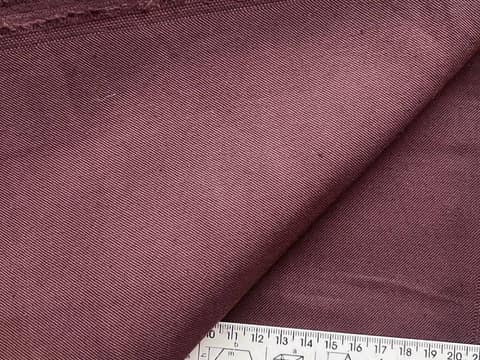
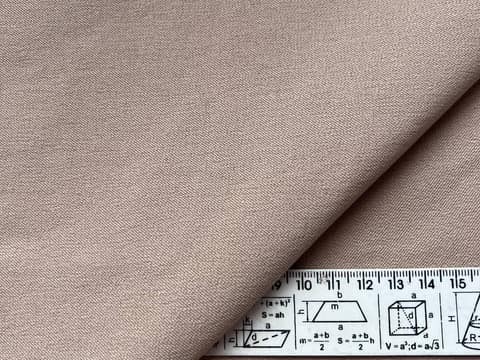
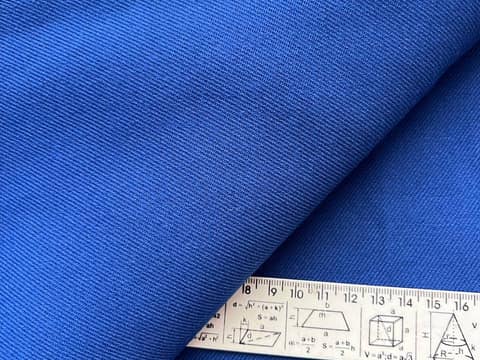
See all- Cotton blend suitingКостюмна · A002981.55 m × 1.25 m · 150 UAH/m188 UAHfor the whole piece
- Cotton blend suitingКостюмна · A002761.50 m × 2.25 m · 150 UAH/m338 UAHfor the whole piece
- PopularCotton suitingКостюмна · A0017170.72 m × 2.15 m · 70 UAH/m151 UAHfor the whole piece
- PopularStretch cotton suitingКостюмна · A0015121.40 m × 1.50 m · 150 UAH/m225 UAHfor the whole piece
- PopularCotton blend suitingКостюмна · A001351.55 m × 1.90 m · 150 UAH/m285 UAHfor the whole piece
- PopularCotton blend suitingКостюмна · A000231.60 m × 1.00 m · 200 UAH/m200 UAHfor the whole piece






How much fabric a shirt takes
See every piece in stock, or call us if you would like advice.