About fabrics
How much fabric trousers take
Classic trousers usually need 1.1 to 1.5 m, wide-leg ones twice that. Here is how to work it out precisely and why hip size matters.

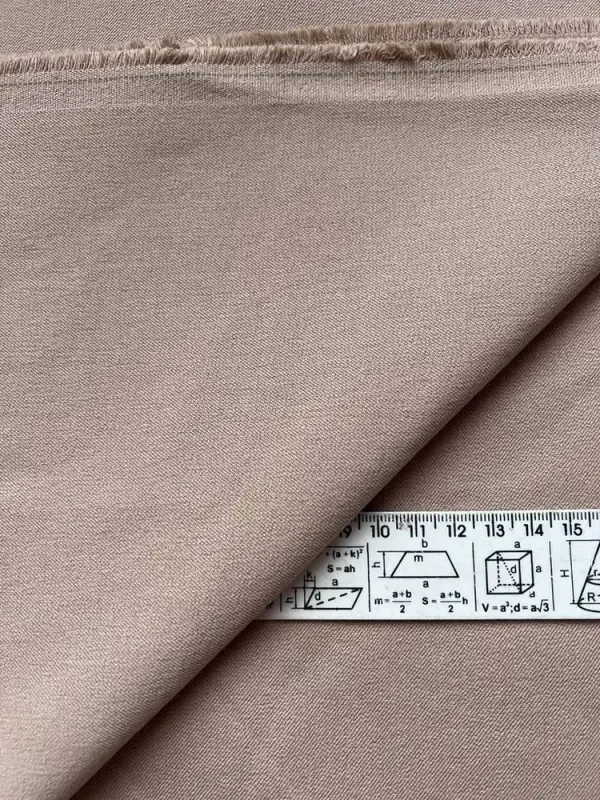
- 1 length + 15 cmfor hips up to 100–105 cm
- 2 lengths + 10 cmfor wider hips and wide legs
- 1.1–1.5 mfor classic trousers
- 0.6–0.8 mfor shorts
Working it out yourself
It all depends on hip size and fabric width. With fabric 1.4 to 1.5 m wide and hips up to 100 to 105 cm, the front and back pieces fit side by side, and you need one trouser length plus 15 to 20 cm for the waistband and hems.
For wider hips or wide legs the pieces no longer fit side by side. Then take two trouser lengths plus 10 cm. Measure the length from the waist to the hem at the side.
An example: trousers 105 cm long, hips 98 cm. 105 + 15 = 120 cm, that is 1.2 m.
Roughly, by style
For fabric 1.4 to 1.5 m wide and sizes EU 38 to 44:
Classic straight or tapered trousers: 1.1 to 1.5 m.
Culottes: 1.2 to 1.5 m. Shorts: 0.6 to 0.8 m.
Wide-leg palazzo trousers: 2 to 2.5 m, as they need two lengths.
For larger sizes count two lengths for any style.
Which fabric to choose
The classic for trousers is suiting wool, especially gabardine, which holds a crease, and twill. For everyday wear dense cotton suiting (see cotton) or denim.
For fitted trousers take a fabric with elastane: stretch cotton. It gives, so the trousers sit comfortably.
See what is in stock: all suiting fabrics.
When you need extra
Corduroy and other pile fabrics are cut with the pile running the same way on both legs: add 10 to 15 %.
Checks and stripes are matched at the side seams and the seat: add 10 to 20 %.
Cotton and denim can shrink at the wash: wash the fabric before cutting and allow 5 % extra.
Sources
Facts checked against these pages. The text is our own.
Updated 19 October 2026
Questions
How much fabric for trousers in a medium size?
Classic trousers at 1.5 m wide usually take 1.2 to 1.5 m. For wide legs take two lengths, about 2.2 m.
Is 1 m enough for trousers?
One metre is enough for shorts, breeches or cropped trousers in a small size. Full-length trousers need 1.1 m or more.
What is the best fabric for trousers?
A dense one that holds its shape: suiting wool, gabardine, twill, cotton suiting or denim. With elastane for fitted styles.
Suiting fabrics in the shop now
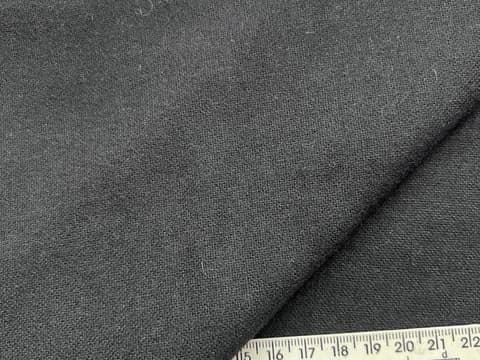
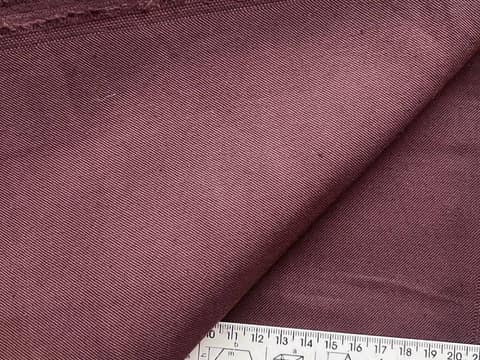
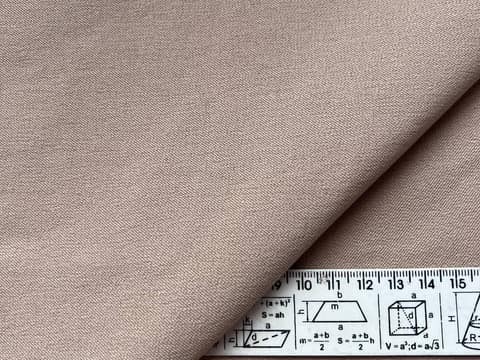
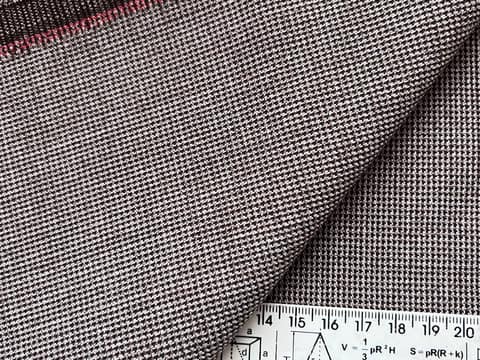
See all- Cotton blend suitingКостюмна · A002981.55 m × 1.25 m · 150 UAH/m188 UAHfor the whole piece
- Cotton blend suitingКостюмна · A002761.50 m × 2.25 m · 150 UAH/m338 UAHfor the whole piece
- Wool blend suitingКостюмна · A002651.65 m × 3.00 m · 250 UAH/m750 UAHfor the whole piece
- PopularWool blend suitingКостюмна · A0020211.55 m × 1.75 m · 200 UAH/m350 UAHfor the whole piece
- PopularCotton suitingКостюмна · A0017170.72 m × 2.15 m · 70 UAH/m151 UAHfor the whole piece
- PopularStretch cotton suitingКостюмна · A0015121.40 m × 1.50 m · 150 UAH/m225 UAHfor the whole piece
- Wool blend suitingКостюмна · A0014121.50 m × 1.10 m · 200 UAH/m220 UAHfor the whole piece
- PopularCotton blend suitingКостюмна · A001351.55 m × 1.90 m · 150 UAH/m285 UAHfor the whole piece

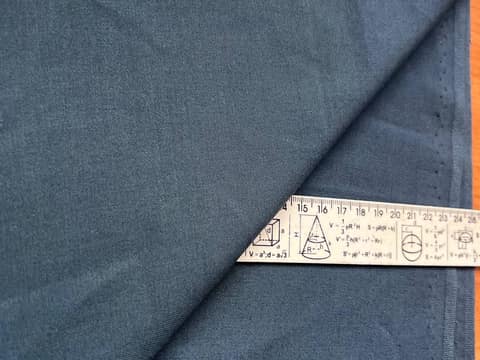

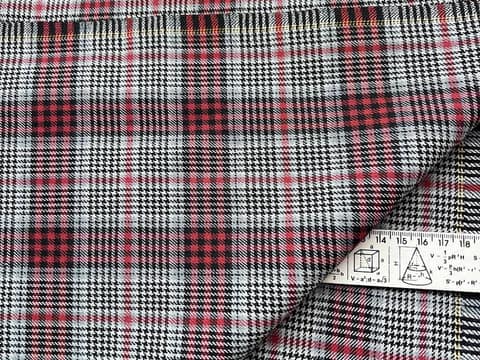

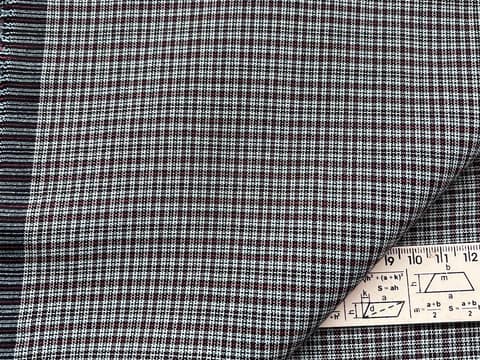





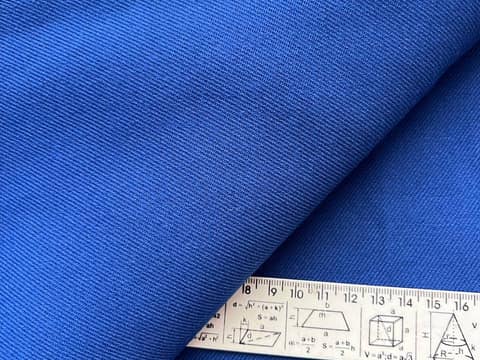
How much fabric trousers take
See every piece in stock, or call us if you would like advice.