About fabrics
Cotton for a dress
A cotton dress breathes, does not cling with static and washes easily, and it is easier to sew than almost any other fabric. Here is how each cotton falls and how much to take.

- Naturalbreathes and absorbs moisture
- up to 5 %may shrink at the first wash
- 2.4–3 mfor a dress with sleeves at 0.8–0.9 m wide
- 30–40 °Cusual wash
Why cotton is good for a dress
Cotton is natural: it is not hot in summer heat, it absorbs moisture and does not stick to the body. It does not build up static and rarely irritates skin, so it is used for children’s dresses too.
Cotton is easy to sew even for beginners: it does not slide under the presser foot, takes the iron well and does not fray at the edges the way viscose or chiffon does.
Kinds of cotton dress fabric
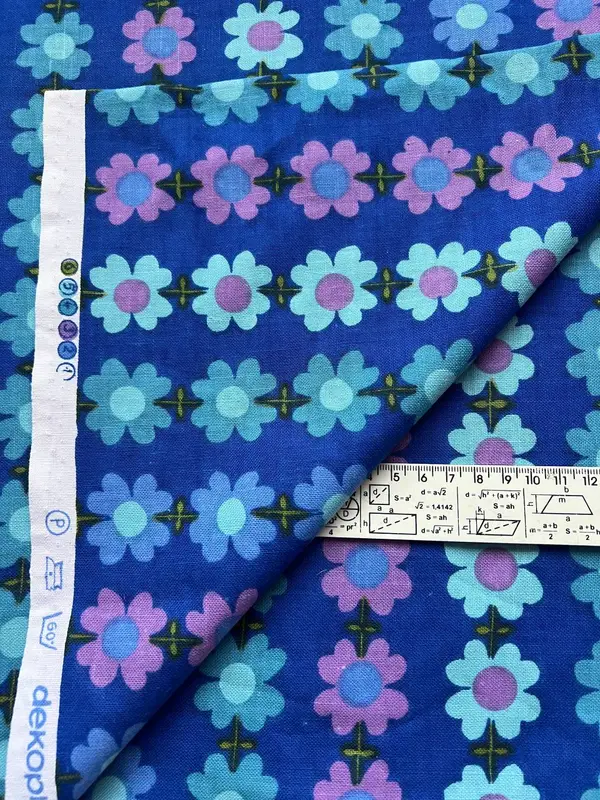
Chintz or calico: thin, light, almost always printed. The classic of vintage summer dresses, sundresses and house dresses.
Poplin: smooth, a little denser, with a slight sheen. It keeps its shape, so it suits shirt dresses and fitted styles.
Batiste: very fine and soft, may be see-through. For light dresses and blouses, often with a lining or a slip.
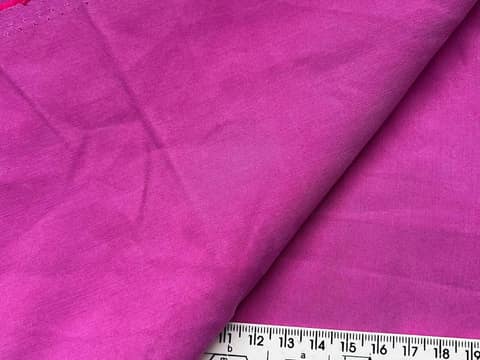
Sateen: a smooth face with a silky sheen, soft and drapey. For dresses you can wear to a party. Muslin and crinkle cotton look creased from the start and need no ironing: for sundresses and beach dresses.
Rayon challis looks like cotton but is usually made of viscose: it is softer and more fluid still.
Which style for which fabric
Thin, soft cotton (chintz, batiste, muslin) likes volume: gathers, ruffles, a full skirt, a belted shirt dress.
Denser cotton (poplin, sateen, cotton suiting) holds a line: for a sheath, an A-line, a dress with crisp pleats or a shirt collar.
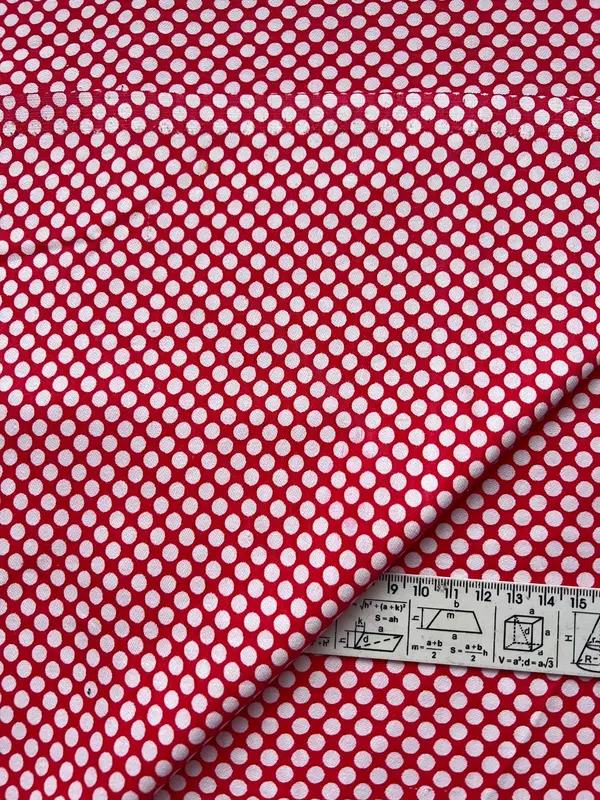
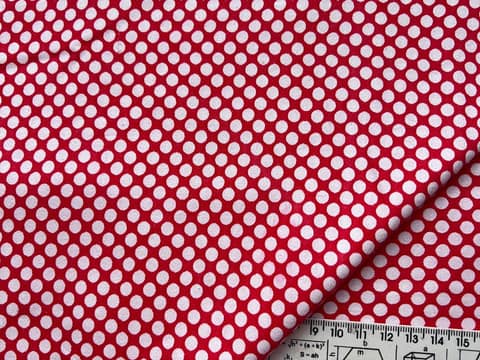
A large bright print looks best in a simple cut with few seams. Small polka dots or ditsy flowers suit any style.

How much to take when the piece is narrow
Vintage cotton dress fabric is often only 0.8 to 0.9 m wide. The front and back will not fit side by side, so each takes its own length.
Count two dress lengths plus a sleeve length plus 15 cm for hems: the sleeves fit side by side across the width. An example: a 100 cm dress with a 25 cm sleeve. 2 × 100 + 25 + 15 = 240 cm, so 2.4 m.
A full skirt on narrow fabric is gathered from several panels, and each takes one more skirt length. For the usual 1.4 to 1.5 m width the formulas are in «How much fabric for a dress».

Before cutting
Cotton may shrink up to 5 % at the first wash. Wash and iron the fabric the way you will wash the dress, so it shrinks now. More in «Pre-shrinking».
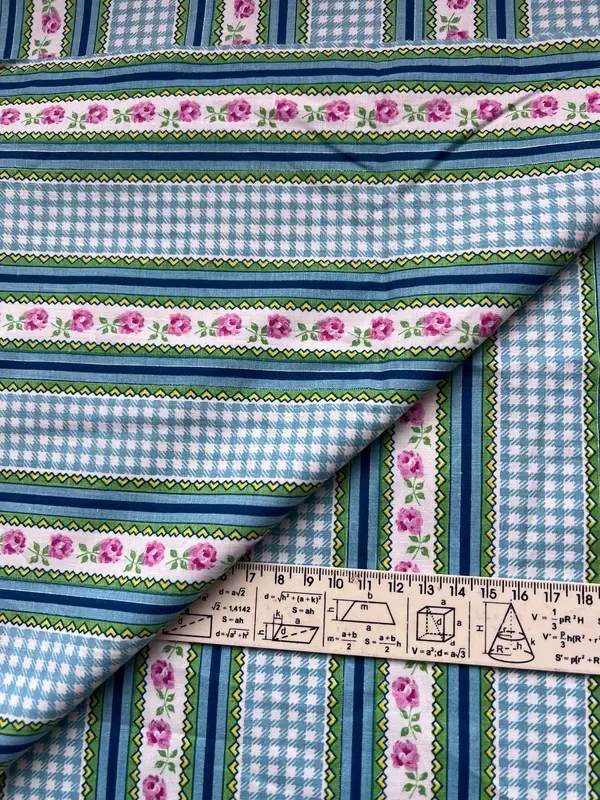
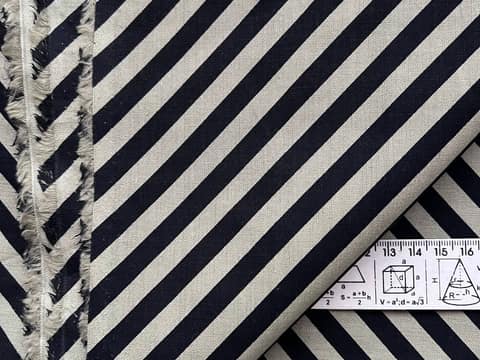
If the print has a direction (flowers growing upwards, a striped border), cut every piece the same way up and add 10 to 15 %. Match gingham at the side seams.
Light, thin cotton may show through in the sun. Make a slip or a lining of batiste or viscose to go under it.
Sources
Facts checked against these pages. The text is our own.
- Chintz, Ukrainian Wikipedia
- Poplin, Ukrainian Wikipedia
- Batiste, Ukrainian Wikipedia
- Sateen, Ukrainian Wikipedia
- Muslin, Ukrainian Wikipedia
- Gingham (Wikipedia)
Updated 1 November 2026
Questions
Which cotton is best for a summer dress?
Chintz, batiste, muslin or poplin: they are light and breathe. Chintz and muslin are softer, poplin keeps its shape.
Does a cotton dress crease a lot?
Pure cotton creases; that is its nature. Cotton blended with polyester creases less, and muslin and crinkle cotton look creased from the start and need no ironing.
How much cotton for a dress if it is 0.9 m wide?
Two dress lengths plus a sleeve plus 15 cm for hems. A knee-length dress with short sleeves takes about 2.4 to 3 m.
Cotton dress fabric in the shop now
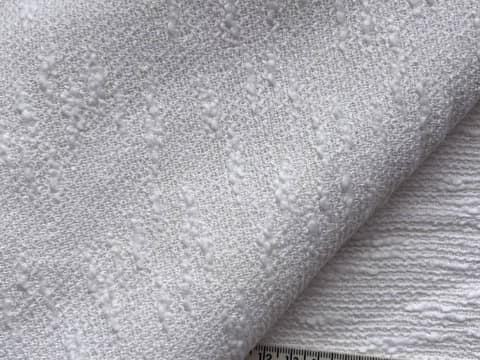
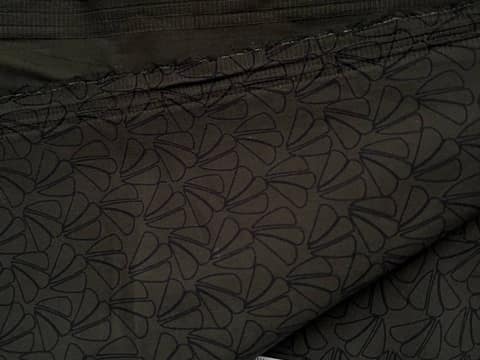
See all- NewCotton blend dress fabricСукняна · A007621.50 m × 2.00 m · 100 UAH/m200 UAHfor the whole piece
- Cotton dress fabricСукняна · A007460.90 m × 1.65 m · 70 UAH/m116 UAHfor the whole piece
- Cotton dress fabricСукняна · A007241.55 m × 1.60 m · 100 UAH/m160 UAHfor the whole piece
- Cotton dress fabricСукняна · A006971.30 m × 2.60 m · 100 UAH/m260 UAHfor the whole piece
- Cotton dress fabricСукняна · A006871.50 m × 3.70 m · 100 UAH/m370 UAHfor the whole piece
- Cotton blend dress fabricСукняна · A005451.60 m × 1.70 m · 150 UAH/m255 UAHfor the whole piece
- Cotton dress fabricСукняна · A004441.20 m × 2.95 m · 100 UAH/m295 UAHfor the whole piece
- Cotton dress fabricСукняна · A004230.80 m × 1.80 m · 70 UAH/m126 UAHfor the whole piece






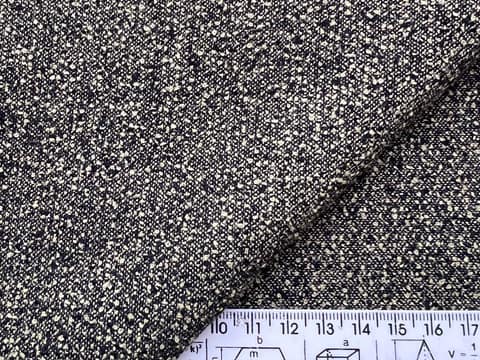

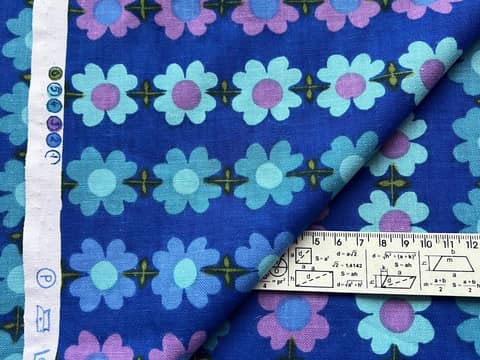

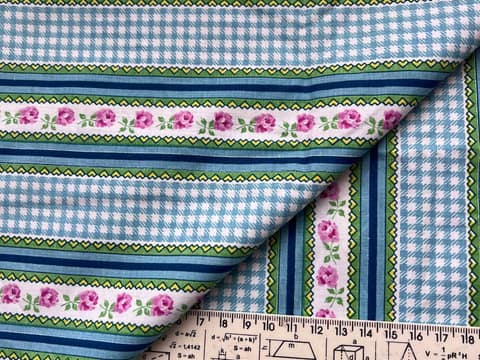
Cotton for a dress
See every piece in stock, or call us if you would like advice.